Disclosure: This post may contain affiliate links, meaning I earn a small commission at no extra cost to you.
In this post, you will learn about tiny house decorating ideas that help make your space feel functional and stylish.

Living small does not mean living without style. In fact, some of the most intentional, visually striking interiors come from compact spaces.
The key is understanding how to decorate strategically — so every square foot works harder, looks better, and feels larger than it is.
If you’re searching for tiny house decorating ideas that support the philosophy of tiny home, big living, this guide walks you through practical, design-forward strategies to transform a small footprint into a highly functional, beautiful home.
The Best Tiny Home Decorating Tips You Will Love
1. Start With a Clear Design Style
One of the most common mistakes in tiny homes is mixing too many styles.
In other words, too many styles start to look cluttered.
Popular styles that work exceptionally well in tiny homes include:
- Minimalist
- Scandinavian
- Japandi
- Modern farmhouse (pared-down)
- Coastal or cottage-inspired
Designing a tiny house isn’t just about aesthetics — it’s about making a small footprint feel open, functional, and livable.
Choosing a single aesthetic creates visual harmony, which is essential for tiny home big living.
Minimalist, Scandinavian, Japandi, pared-down Modern Farmhouse, and Coastal or Cottage-inspired styles work exceptionally well in tiny homes because they reduce visual clutter, maximize light, and prioritize function without sacrificing comfort.
Below, we break down why these styles are ideal for tiny house living and how you can apply them successfully.
Why Style Choice Matters in a Tiny House
Tiny homes amplify design decisions. Dark colors feel darker. Bulky furniture feels bigger.
Excess decor feels overwhelming. The most successful tiny house interiors share five core principles:
- Visual simplicity
- Cohesive color palettes
- Multifunctional furniture
- Light-reflective materials
- Emotional comfort in close quarters
The following styles naturally support all five.
Minimalist Interior Design Ideas
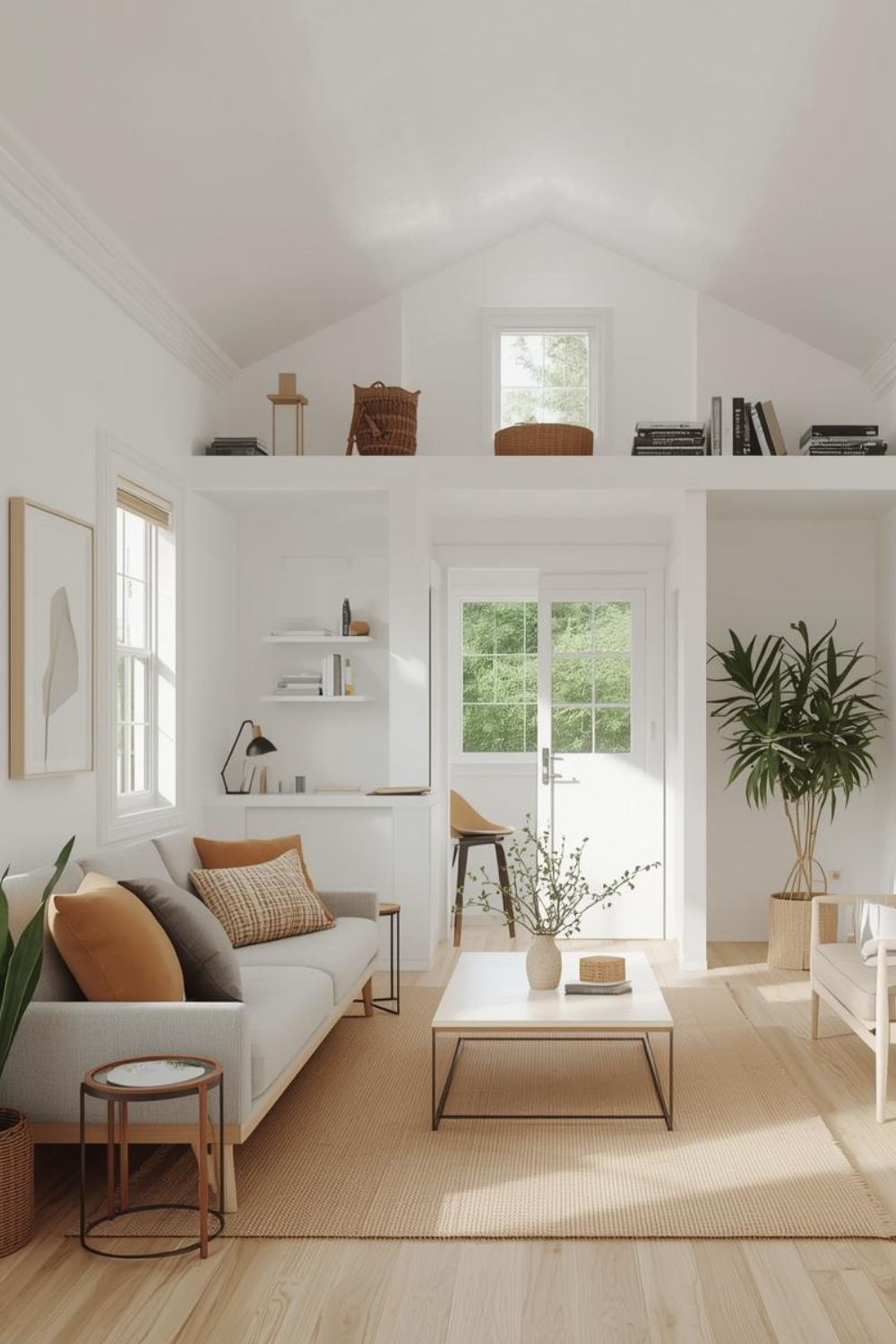
AI Generated Image
Benefits of Minimalist Design in Small Spaces
- Reduces visual clutter: Fewer objects mean less sensory overload
- Creates clean sight lines: Open views make a tiny house feel larger.
- Supports more than one function: Furniture often doubles as storage.
- Encourages intentional living: Every item has a purpose.
Tiny home tip: Stick to one neutral color palette and limit decor to functional pieces.
Scandinavian Interior Design Characteristics

AI Generated Image
Scandinavian interiors are practically designed for compact living.
Why Scandinavian Style Is Ideal for Tiny Homes
- Light reflective color schemes (whites, creams, pale woods) make rooms feel brighter and bigger.
- Warm minimalism avoids the coldness sometimes associated with stark design.
- Human-centered furniture prioritizes comfort and usability.
- Consistent materials create visual flow across rooms.
Tiny home tip: Layer soft textures like linen, wool, and light wood to keep the space cozy without clutter.
Japandi Style Interior Design
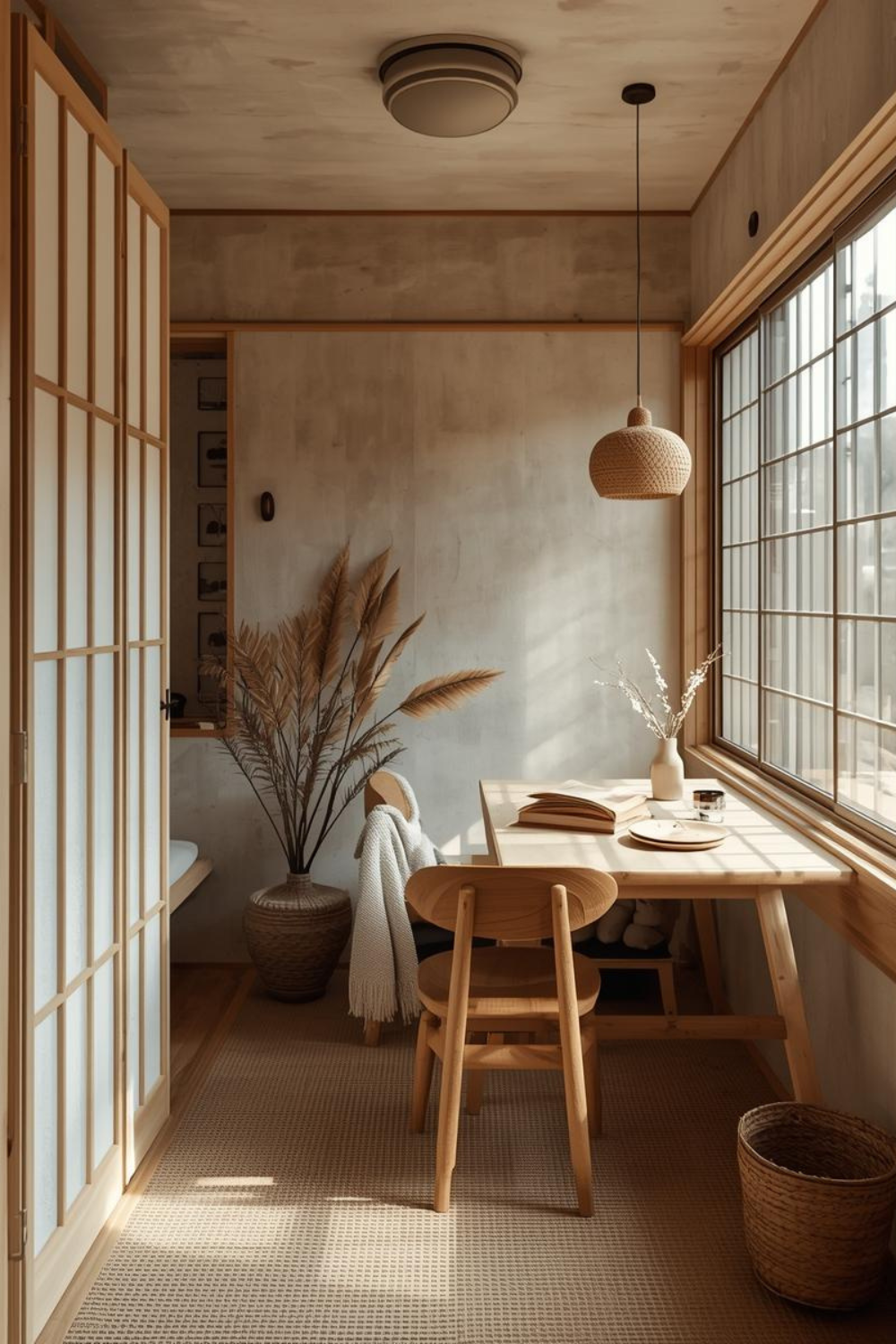
AI Generated Image
Japandi is a mix of Scandinavian and Japanese design — and it excels in tiny spaces.
Why Japandi Works in Small Homes
- Intentional ownership: Only meaningful, functional items remain.
- Muted, earthy tones prevent visual overstimulation.
- Low furniture profiles make ceilings feel higher.
- Calm, balanced aesthetics support mental well-being in close quarters.
Tiny home tip: Choose natural materials like wood, stone, and clay, and avoid high-contrast patterns.
Modern Farmhouse (Pared Down) in Tiny Homes
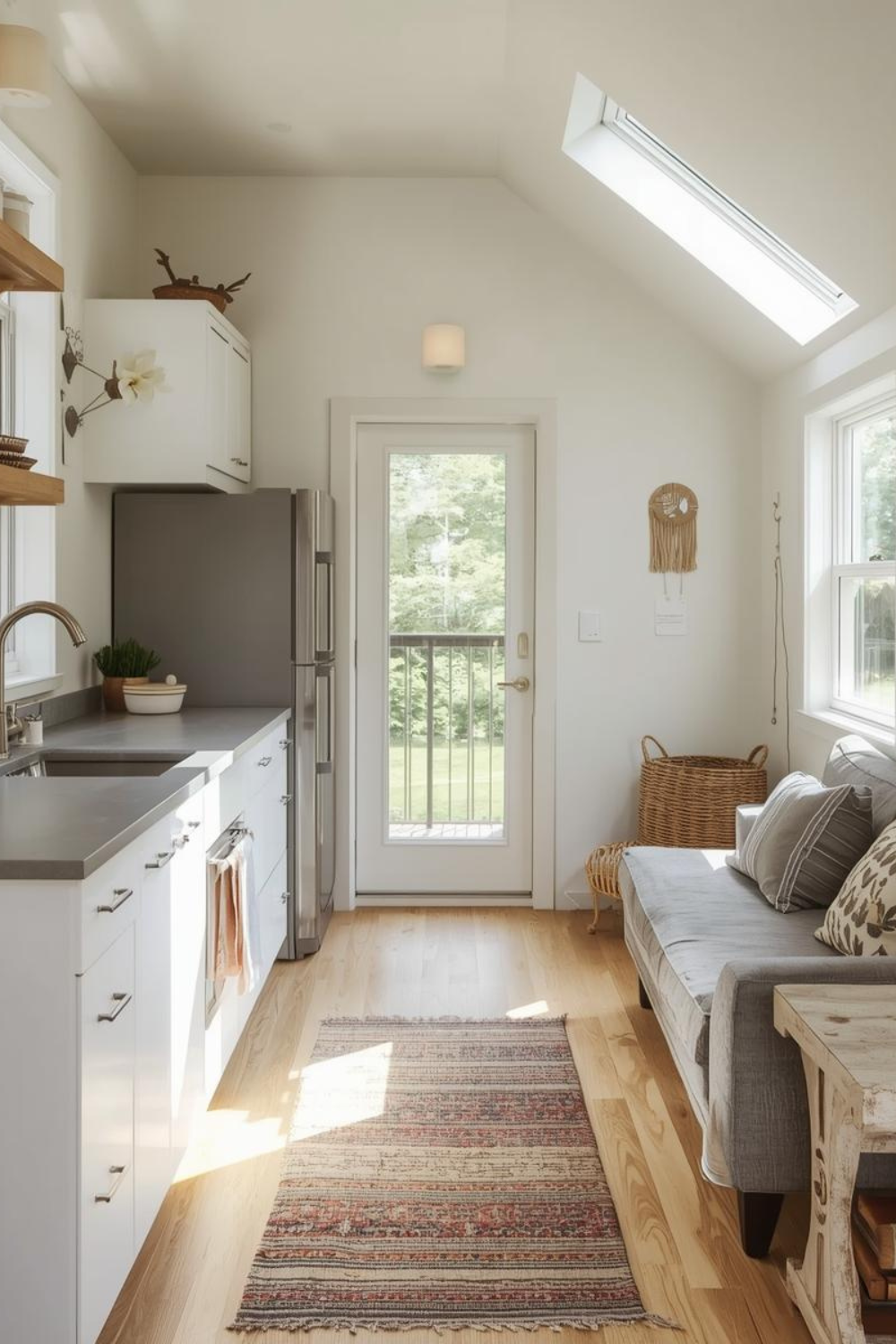
AI Generated Image
Modern farmhouse can work beautifully in tiny houses — if it’s simplified.
Why a Pared-Down Farmhouse Style Works
- Warm neutrals create a welcoming atmosphere.
- Functional roots align with practical tiny home living.
- Classic shapes age well in a small, permanent space.
- Comfort without excess: When heavy decor is removed, the style breathes.
Avoid: Oversized furniture, word art, heavy barn doors, and excess shiplap.
Tiny home tip: Think “farmhouse influence, ” not farmhouse overload. Use farmhouse-style elements, such as a jute rug, natural-weave baskets, a rustic bench, or toile kitchen towels, for display.
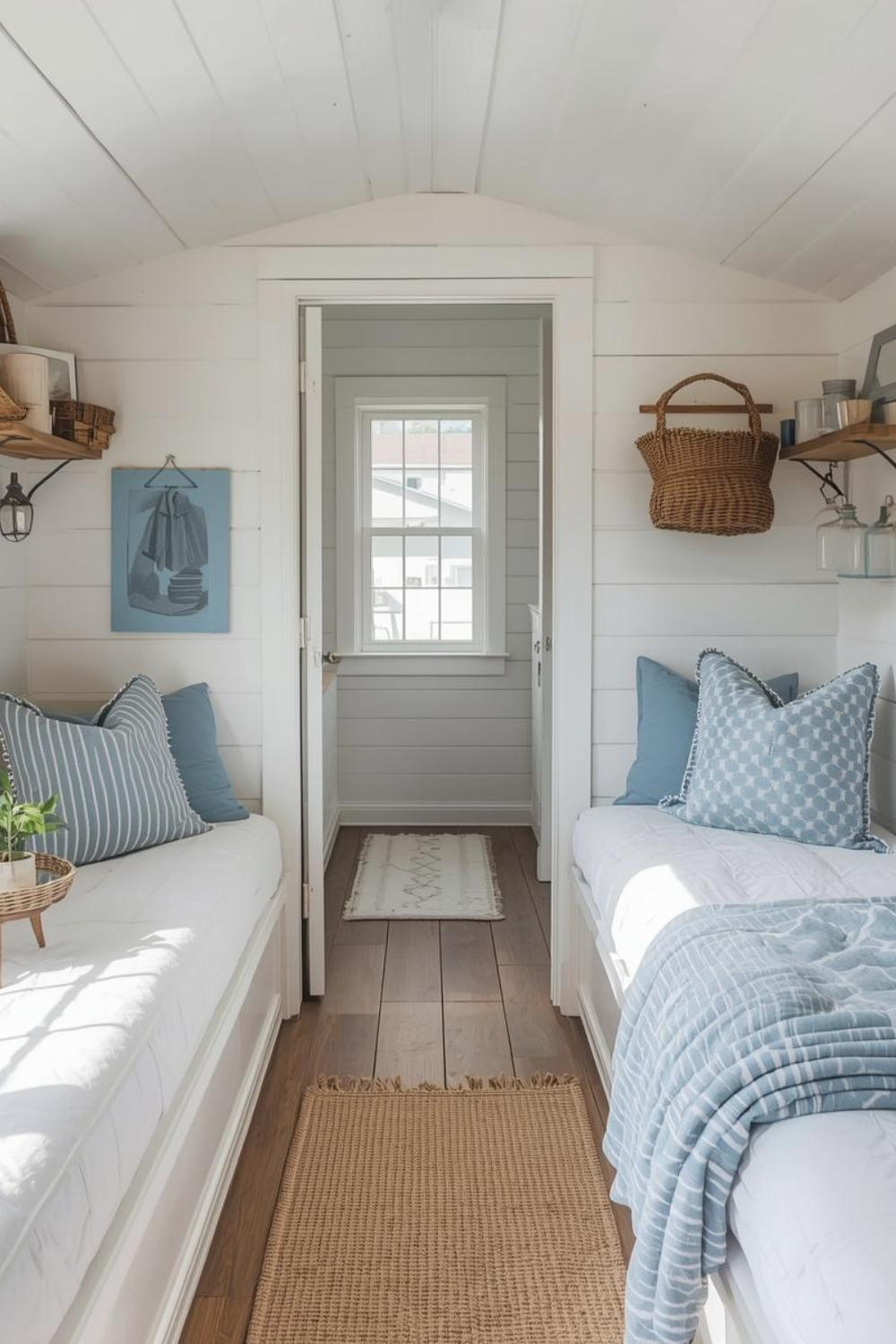
Coastal & Cottage-Inspired Tiny House Decor
AI Generated Image
Coastal and cottage styles bring a relaxed, airy feel that suits small spaces perfectly.
Why Coastal & Cottage Styles Work in Tiny Houses
- Soft, light color palettes visually expand walls.
- Casual textures prevent the space from feeling rigid.
- Lightweight furnishings avoid visual heaviness.
- Vacation-like atmosphere enhances emotional comfort.
Tiny home tip: Use woven baskets, slipcovered seating, and soft blues or whites to keep things light.
Common Design Traits That Make These Styles Successful
All five styles succeed in tiny homes because they:
- Limit visual clutter
- Use cohesive, calming color schemes
- Favor multifunctional furniture
- Emphasize light and natural materials
- Support everyday livability
By contrast, ornate, highly decorative, or heavily layered styles tend to overwhelm small spaces quickly.
When you choose a style that works with your square footage instead of against it, your tiny home can feel open, intentional, and deeply livable.
2. Use Multi-Functional Furniture to Maximize Space
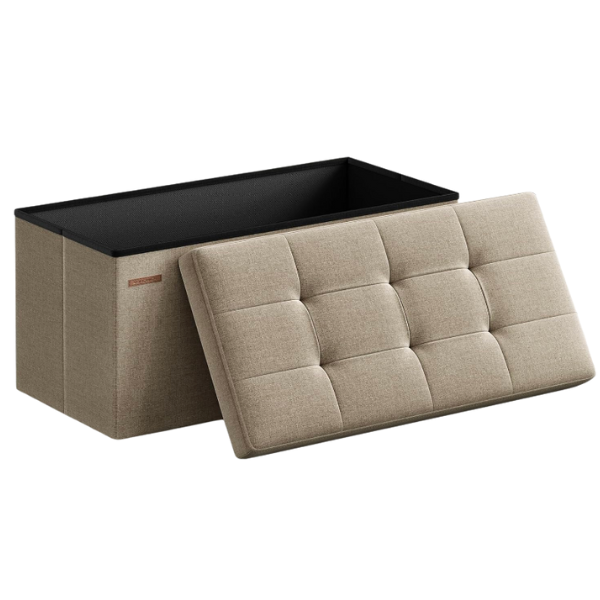
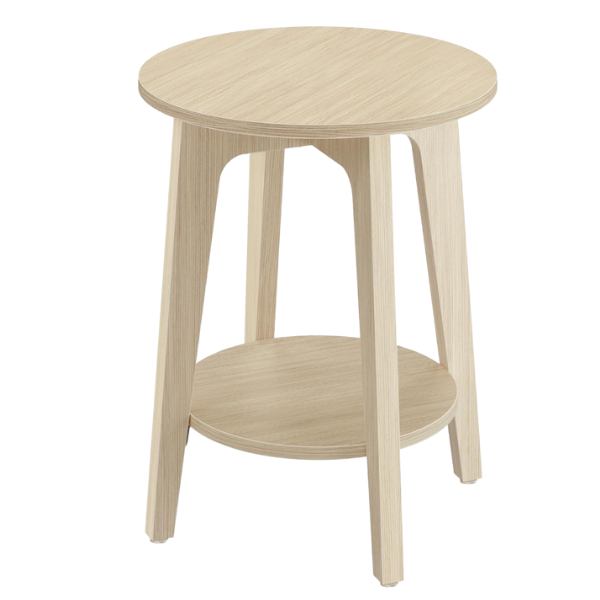
In a tiny house, furniture must earn its place. Please be sure to look for pieces that serve at least two purposes.
Examples of smart furniture choices:
- Storage ottomans
- Fold-down dining tables
- Murphy beds or sofa beds
- Benches with hidden compartments
- Nesting tables
These solutions are foundational to the tiny house decorating ideas niche because they support livability without sacrificing aesthetics.
3. Go Vertical: Wall Space Is Prime Real Estate
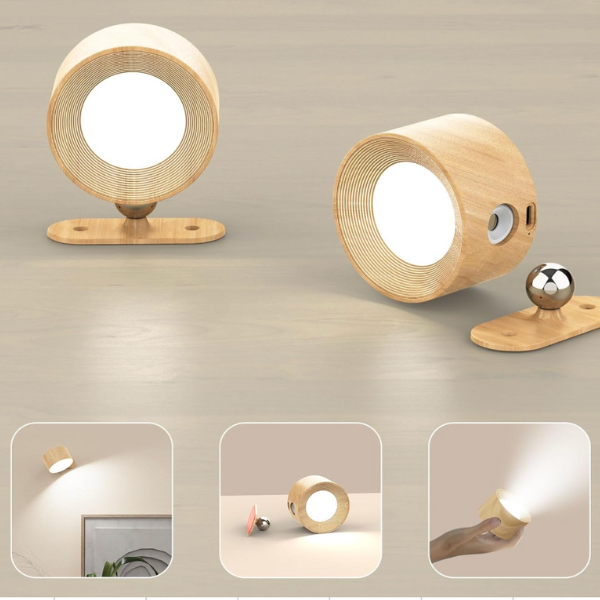
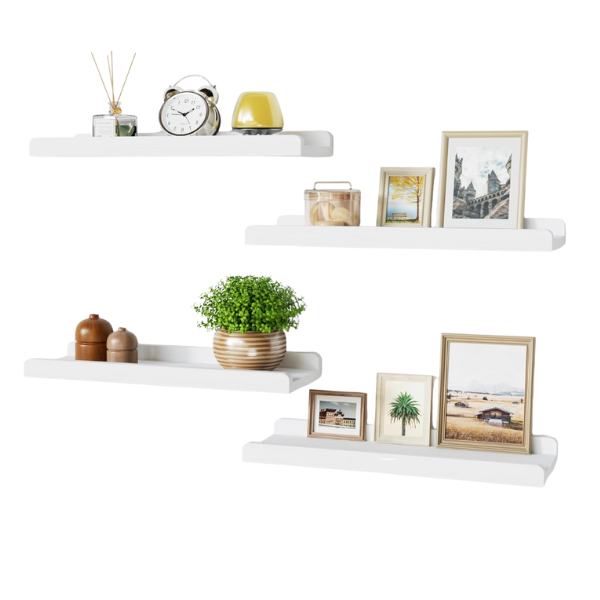
When floor space is limited, vertical space becomes invaluable. Thoughtful wall decor can add personality without crowding the room.
Vertical decorating strategies:
- Floating shelves instead of bookcases
- Wall-mounted lighting instead of floor lamps
- Peg rails for kitchens and entryways
- Vertical gallery walls with cohesive frames
Wall decor is one of the easiest ways to express tiny home, big living — your walls tell your story without taking up physical space.
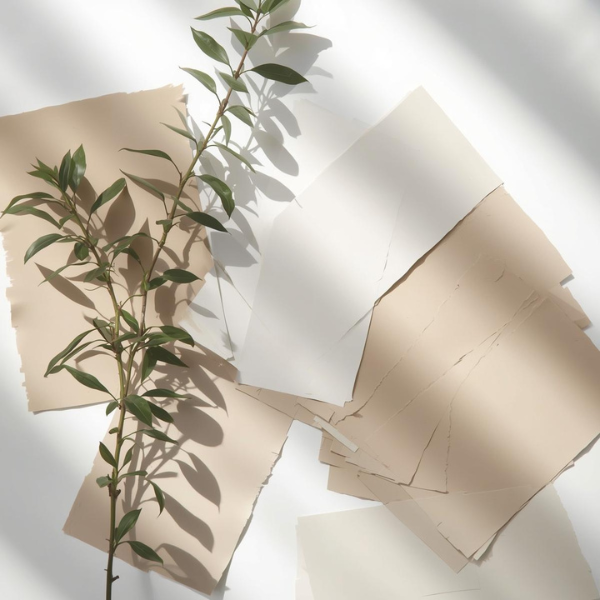
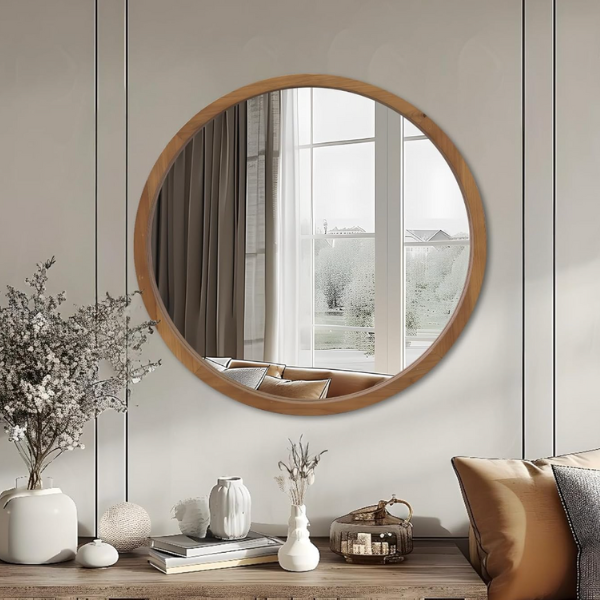
4. Light, Color, and Mirrors Make a Tiny Home Feel Larger
AI Generated Image
Design psychology matters more in small spaces.
The right color palette and lighting plan can dramatically change how a tiny home feels.
Best practices include:
- Light, neutral wall colors to reflect natural light
- Mirrors placed opposite windows to visually double the space
- Layered lighting (ambient, task, accent)
- Consistent flooring throughout the home to avoid visual breaks
Avoid overly dark or high-contrast schemes unless carefully balanced— they tend to shrink rooms visually.
5. Small-Scale Art and Decor Create Intentional Style
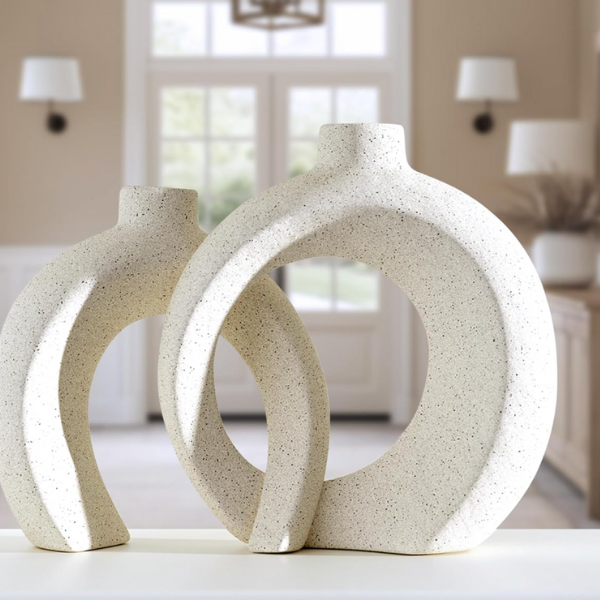

Large statement pieces can overwhelm a tiny house. Instead, curate smaller decor elements that work together.
Wise decor choices include:
- Framed prints in sets
- Small sculptural objects
- Textiles like throw blankets, pillows, and runners
- Plants scaled to shelves or window sills
This is where tiny house decorating ideas intersect beautifully with personal expression—less quantity, more intention.
6. Storage as Decor: Make It Beautiful and Visible
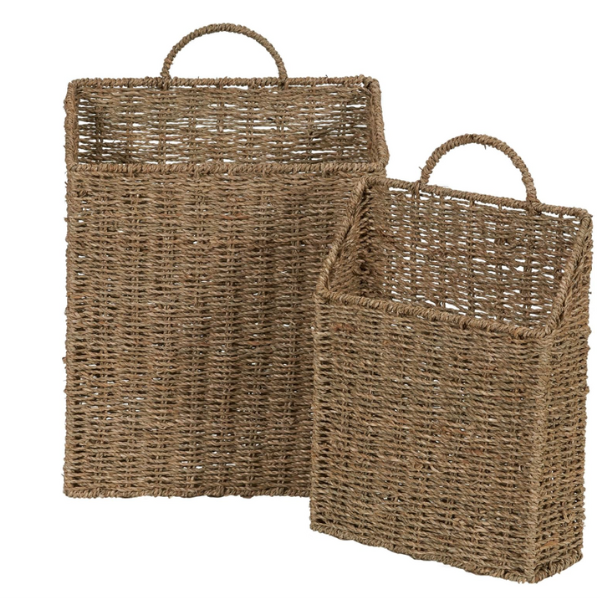
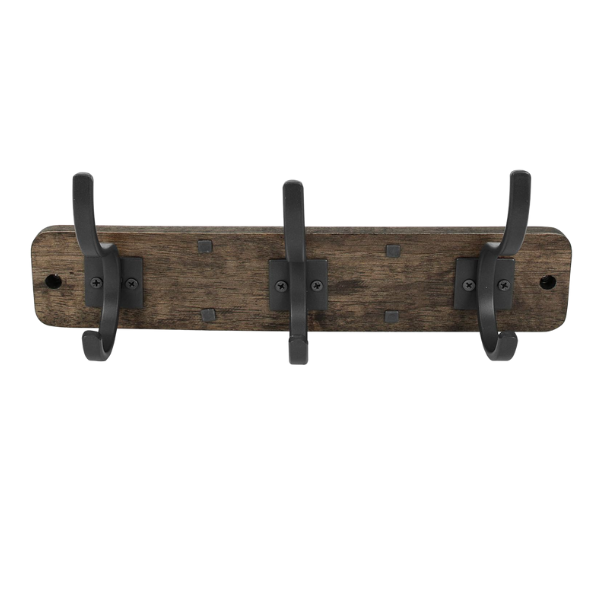
Hidden storage is ideal, but visible storage can also be decorative when done intentionally.
Examples:
- Open shelving styled with baskets
- Glass jars for pantry items
- Hooks for frequently used items
- Vintage trunks or crates as accent pieces
This approach supports tiny home big living by embracing functionality as part of the aesthetic rather than hiding it.
7. Edit Ruthlessly: The Final Step to Big Living in a Tiny Home
The most powerful decorating tool in a tiny house is editing. Regularly reassess what you truly need and love.
Ask yourself:
- Does this item serve a function?
- Does it align with my design style?
- Does it earn its visual space?
When every item is intentional, your home feels lighter, calmer, and significantly more livable.
Final Thoughts: Tiny House Decorating is About Intention, Not Sacrifice
The best tiny house decorating ideas are not about making compromises — they’re about making more intelligent choices.
With the proper layout, furniture, and design style, tiny home big living becomes not just possible, but inspiring.
Leave a Reply